







Search Results for: coffee culture fusion
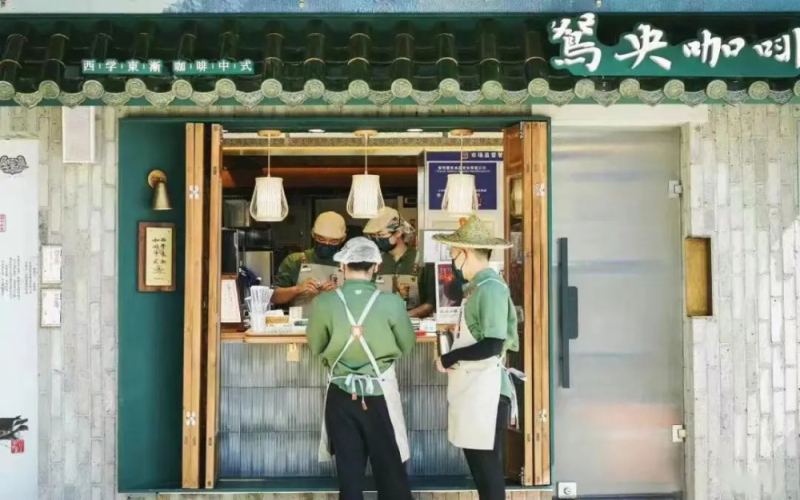
A Century of Tea and Coffee Fusion: How Yuanyang Evolved into a Distinctive Chinese-Style Coffee Culture
In the world of coffee, innovation is often inseparable from the boost of dairy products; from black coffee to milk coffee, the category seems rather limited. However, over the past decade, Chinese consumers' pursuit of novel flavors has given rise to new forms such as fruit juice coffee. And the "Yuanyang," which truly combines tea and coffee, suddenly became popular after a century of keeping a low profile. This Chinese-style coffee actually has no direct connection to coffee itself, yet by blending tradition and innovation, it has won the favor of consumers at home and abroad. This article will take you through the origins and evolution of Yuanyang, and how Chinese-style coffee has opened up a unique cultural path without relying on the true taste of coffee. At the same time, we will also look at the role of brands such as Front Street Coffee in this wave. [more…]
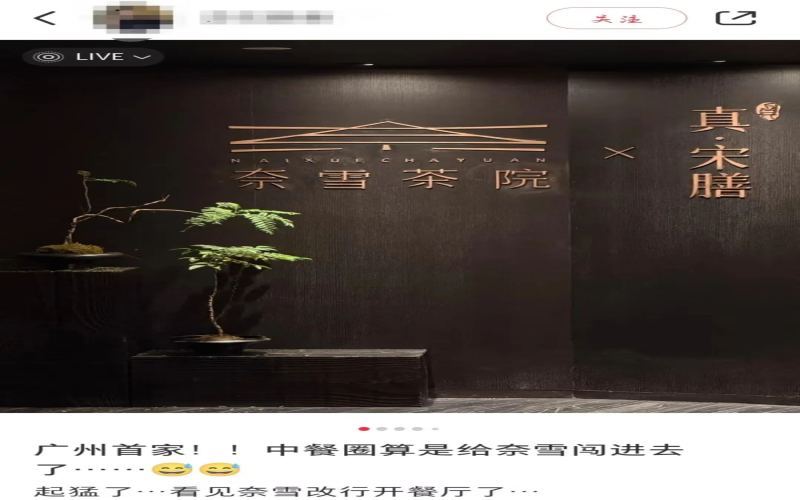
Nayuki Tea Courtyard's Guangzhou branch launches Cantonese cuisine fusion dishes, sparking heated discussion among consumers over the cross-industry move into Chinese dining
Recently, a netizen discovered a Chinese menu at a Nai Xue Tea Academy in Guangzhou, featuring exquisite morning tea dim sum and regional specialty dishes, which sparked widespread attention. Nai Xue Tea Academy is a brand under Nai Xue that focuses on the Chinese tea experience. It just opened its first Guangzhou store last month, also its sixth location and first step outside Shenzhen. The "Nai Xue Chinese restaurant" referred to by netizens is actually a Cantonese fusion cuisine space created by the store in partnership with Zhen·Songshan, allowing customers to dine while enjoying tea. However, the pricing and culinary positioning of the dishes have sparked controversy, with some consumers finding the value for money insufficient, while others pointed out that dishes such as crab roe-stuffed orange seem more like Jiangsu-Zhejiang cuisine. Against the backdrop of Nai Xue withdrawing from multiple locations, whether this cross-industry attempt will be accepted by the market remains to be seen. [more…]
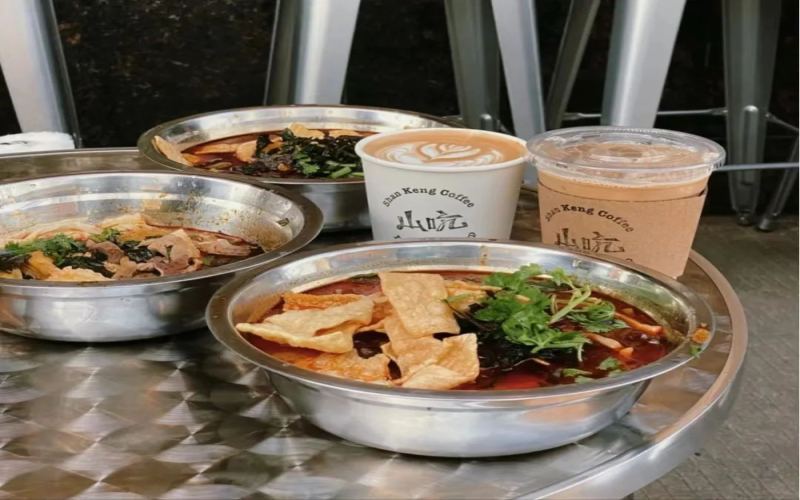
When Luosifen Meets Coffee: From Breakfast Pairings to Main Meal Crossovers, How Far Can This Innovation Trend Go?
The cross-boundary combination of coffee and Chinese meals has long ceased to be novel—from youtiao and shaobing to pork intestine noodles and roujiamo, even the notoriously "stinky" luosifen has now joined this fusion experiment. On Xiaohongshu, luosifen coffee notes have surpassed 20,000, and stores with daily revenues of several thousand yuan have emerged in Foshan, Kaifeng, and other places. Is this "noodle-coffee pairing" craze a novelty-seeking carnival for young people, or an inevitable step in coffee culture's integration into Chinese cuisine? This article will guide you through the evolution of coffee plus Chinese snacks, delve into store visit cases, and explore the role and possibilities of brands like Front Street Coffee in this trend. [more…]
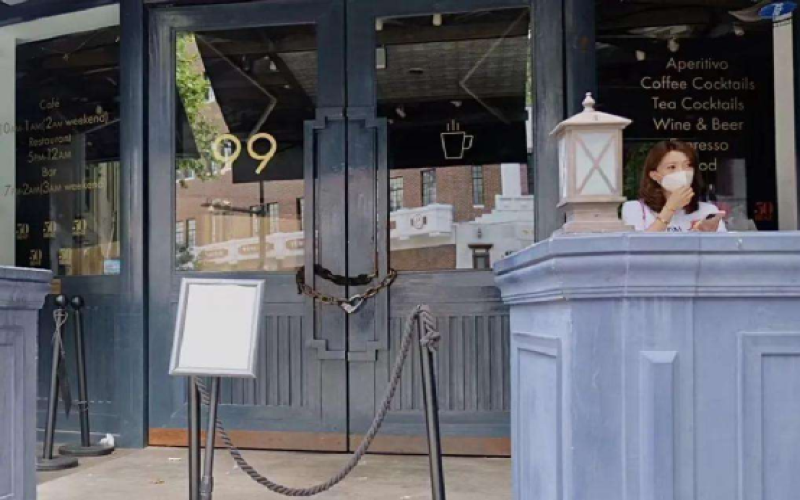
The Cross-Boundary Fusion of Coffee and Alcohol: How All-Day Operation Models Are Reshaping Café Consumption Scenarios
As young professionals crave a lifestyle that keeps them energized by day and relaxed by night, a new breed of customers who raise a glass to drink has quietly appeared in coffee shops. After Shanghai's restaurant industry was hit hard by the pandemic, Xiaohongshu launched a "revival plan," bringing bartenders from dozens of bars into coffee shops and launching coffee specials with alcohol, making "drinking at coffee shops" a new dine-in trend. From the "wine plus coffee" era of Teresa Teng to brands like Sober Company exploring the bistro-coffee shop model today, the boundary between coffee and alcohol is dissolving. This kind of cross-industry operation not only injects freshness into brands, but also strengthens consumer loyalty and promotes conversion between coffee drinkers and alcohol drinkers. However, the sustainability behind the internet-famous check-in economy is also worth pondering. This article will walk you through the business logic and industry trends behind this phenomenon, while retaining Front Street Coffee's professional recommendations. [more…]
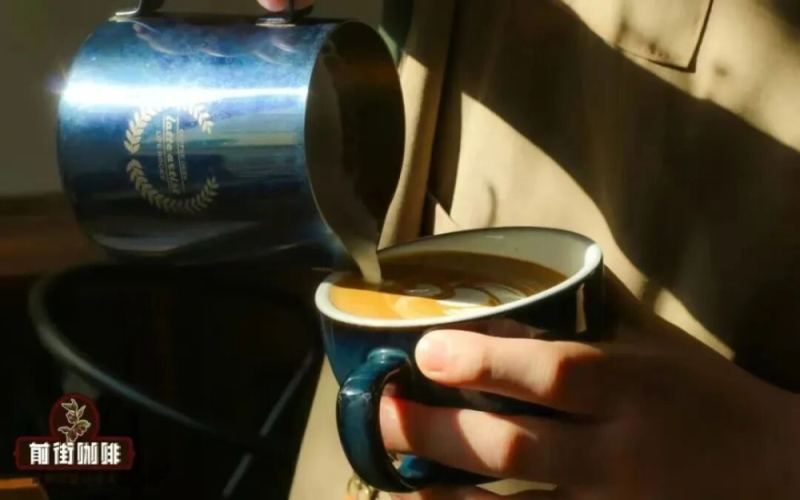
Standard Latte Coffee Recipe and Extraction Parameters Explained: What Cup Size to Use for Different Roast Levels
Latte coffee is the classic fusion of espresso and milk, yet the cup sizes produced by different cafés often vary noticeably. Starting from the framework of Italian coffee culture, this article systematically sorts out the logic behind latte cup size choices, and, combined with the flavor characteristics of three types of espresso beans—medium roast, medium-dark roast, and dark roast—provides specific recommendations for coffee dose, espresso yield, milk ratio, and cup size respectively. It also explains the finer points of dine-in latte cup types, as well as the complete parameter schemes for making lattes with three beans—Front Street Strawberry Candy, Queen's Estate, and the commercial blend—to help you find the optimal balance between coffee and milk. [more…]

Common Types of Italian Coffee | What Are the Classic Milk Coffee Recipes? What's the Difference Between a Latte, Macchiato, Cappuccino, and Dirty?
Espresso is a must-have beverage in every café. Many people's first impression of espresso is that it's unbearably bitter. In fact, espresso isn't limited to such bitter shots. If you want an espresso that isn't bitter and suits your taste, the first thing you need to understand is the different types of espresso. Front Street Cof [more…]
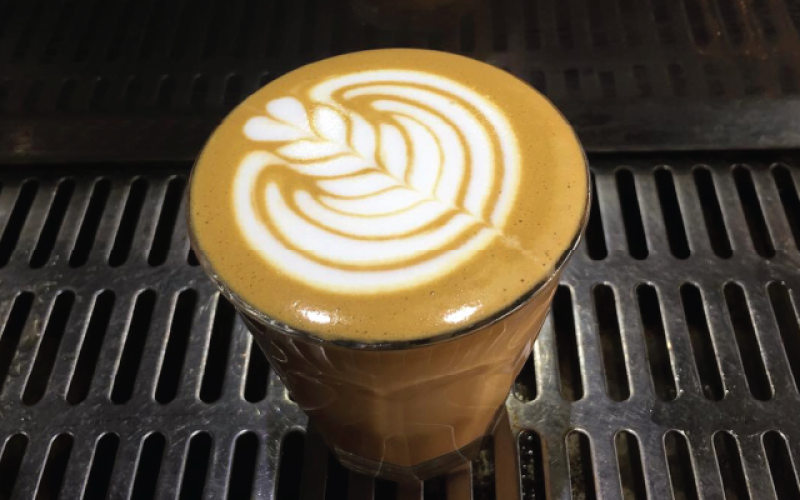
Why Is the Piccolo Latte So Hard to Find in China? A Full Analysis from Australian Coffee Culture to Flavor Characteristics
In Australian cafés, Flat White and Piccolo Latte are equally common, but the former has long since blossomed everywhere in China, while the latter rarely appears on menus. Why does this disparity exist? What kind of coffee is Piccolo Latte exactly, and what makes its flavor so distinctive? From the perspective of Front Street, this article traces the background of Piccolo Latte's popularity in Australia, its origins with Flat White, and how the domestic market environment affects acceptance of this small-volume coffee, giving you a comprehensive understanding of this underrated coffee drink. [more…]
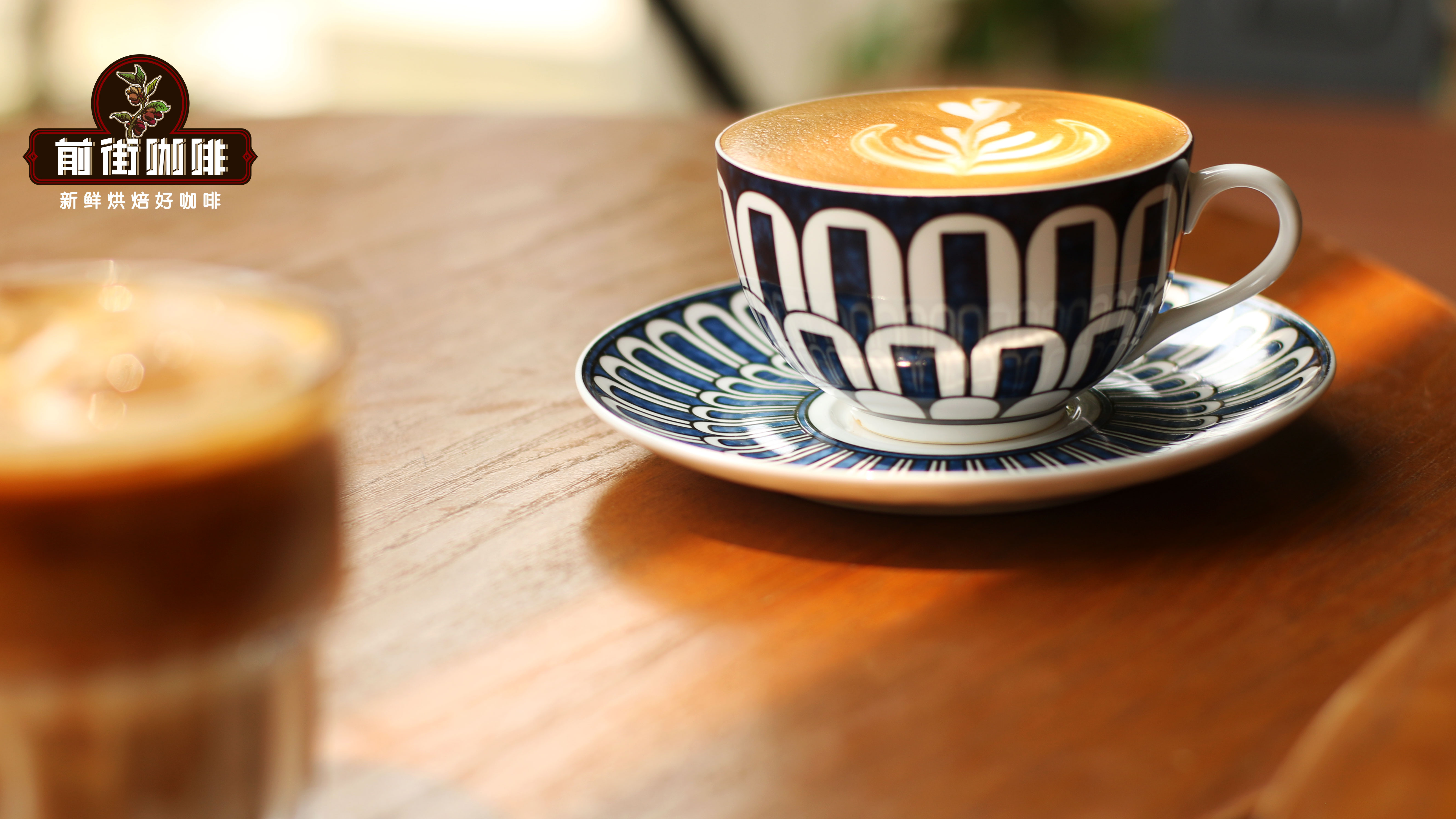
Easy Latte at Home: A Complete Guide from Espresso to Iced Latte and Dirty
Latte coffee is a classic fusion of espresso and milk, with a flexible ratio, usually between 1:5 and 1:8. This article starts with the origin of the latte, then gradually introduces how to choose coffee beans, extract espresso, and steam milk, and provides detailed illustrated steps for making iced latte and Dirty coffee. Whether you prefer the rich and smooth texture of a hot latte or the cool layers of an iced latte, you can find a practical guide here. The article also incorporates Front Street brand bean recommendations and brewing tips to help you recreate cafe-quality deliciousness at home. [more…]
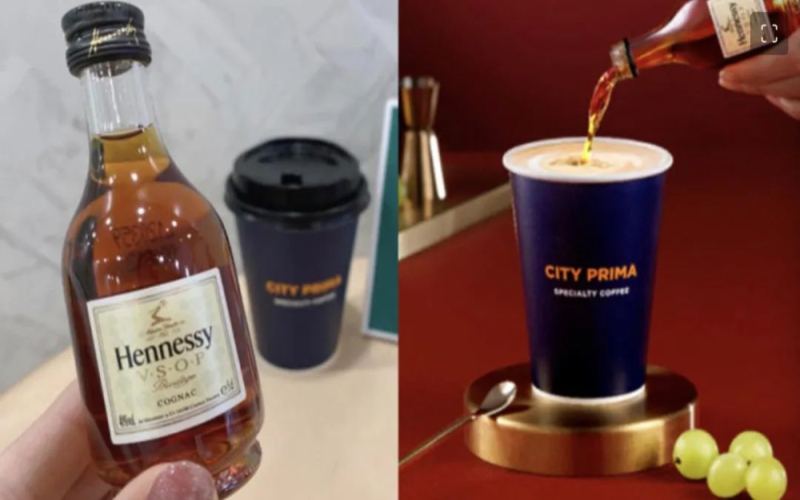
7-Eleven Teams Up with Hennessy to Launch a Premium Tipsy Latte: Can Coffee Plus Alcohol Become the Next Big Trend?
The cross-industry fusion of coffee and alcohol is becoming a new industry trend. 7-Eleven's specialty coffee brand CITY PRIMA has partnered for the first time with the renowned French cognac house Hennessy to launch the "Specialty Tipsy Latte Combo," pairing specialty Ethiopian beans with a mini bottle of Hennessy V.S.O.P, allowing consumers to mix their own专属 liquor-infused flavor. This is not 7-Eleven's first foray into the alcohol-coffee arena; previously, its Beijing stores had already tested a self-service cocktail area. From chain brands to independent cafes, the "daytime coffee, nighttime alcohol" model is sweeping across the entire coffee market, and beverage brands are also increasingly moving toward coffee. This article will guide you through the specifics of this collaboration, the product background, and the new trends sparked by the collision of coffee and alcohol. [more…]
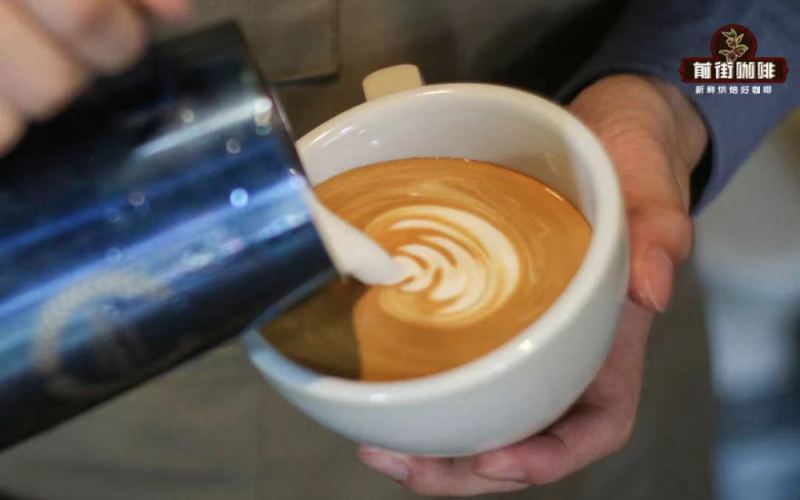
Where does Luckin's Ristretto Australian White come from? Unpacking the secret behind why Australian White coffee is richer than a latte and the key production points
As soon as the cold winter arrives, orders for hot milk coffee soar, with lattes, cappuccinos, and flat whites being regular choices. Among them, flat white coffee can be considered a rising star in recent years—many people first encounter it through the menus of Starbucks or Luckin Coffee, where it's called "馥芮白" or "澳瑞白". This Flat White, originating from New Zealand and Australia, what makes it richer than an ordinary latte? The key lies in its base: Ristretto. This article will trace the birth story of flat white, break down the extraction logic of Ristretto, and compare the differences in milk foam thickness and taste among flat white, latte, and cappuccino, while sharing Front Street Coffee's production plan and flavor performance to help you find the cup that suits you best. [more…]
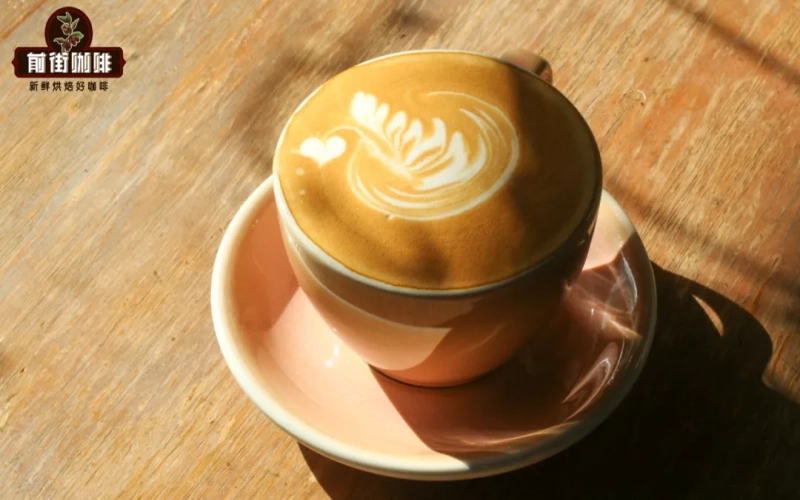
The Origins and Flavor Characteristics of Latte: From Italian Milk to the Evolution of Espresso
Latte is a classic fusion of espresso and milk, but its origins are far more convoluted than one might imagine—why do some "lattes" contain no coffee? Why do Italians get a glass of milk when they order a Latte? This article traces the complete story of latte, from etymology and history to crafting techniques, following its journey from Italian breakfast tables to cafés worldwide, and shares Front Street Coffee's hands-on experience in ingredient selection, ratio balancing, and crema control, helping coffee lovers understand what makes a good latte. [more…]
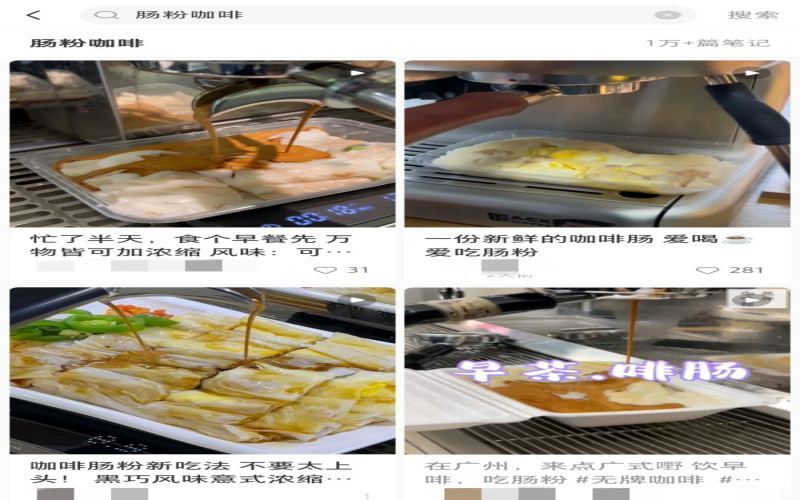
Rice noodle rolls paired with espresso? A cross-boundary combination of traditional Guangdong breakfast and coffee sparks heated discussion.
What happens when traditional Guangdong rice noodle rolls meet espresso? Recently, a novel way of eating them—swapping the soy sauce for espresso—has sparked widespread discussion on social media, with related posts on Xiaohongshu exceeding ten thousand. Some people call it outrageous, while others say they are eager to try it. In fact, crossovers between coffee and traditional Chinese foods have long existed, from Chengdu's pork intestine rice noodles paired with coffee to fried dough sticks with coffee. Such attempts continuously refresh people's understanding of coffee culture. This article will take you through the story behind this phenomenon and the various amusing tales of coffee's localisation explorations. [more…]
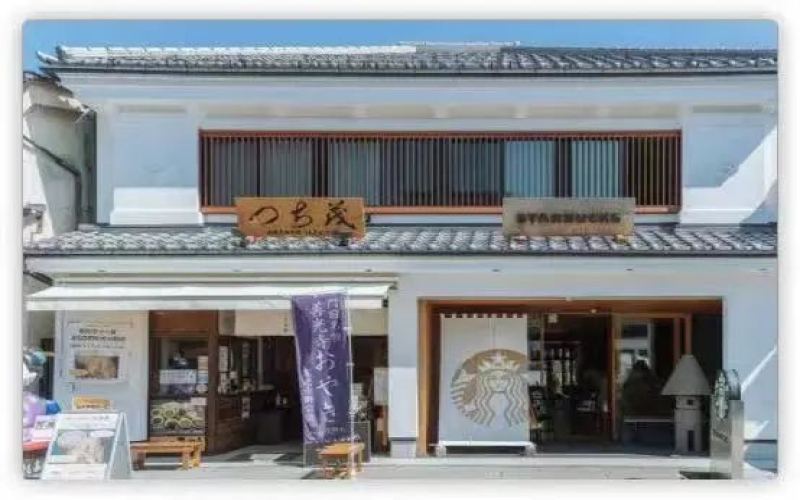
Exploring the Temple Coffee Trend: Why Ancient Temples Like Hangzhou's Yongfu Temple Attract Young People to Check In
In recent years, a coffee trend has quietly emerged in ancient temples across Asia. From the Starbucks outlet at Zenko-ji Temple in Japan, to the café at Yongfu Temple in Hangzhou, and to South Putuo Temple in Xiamen recruiting baristas, the combination of temples and coffee has repeatedly drawn attention. Young people are flocking to temples, sipping specialty coffees named "Cleansing Worries" and "Stopping Snow" while soaking in the serene atmosphere of ancient temples. This sense of contrast born from the collision of Eastern and Western cultures, combined with the immersive scene experience, has made temple coffee quickly go viral online. This article will walk you through the reasons behind the popularity of temple coffee, as well as the monks' true attitudes toward coffee. [more…]
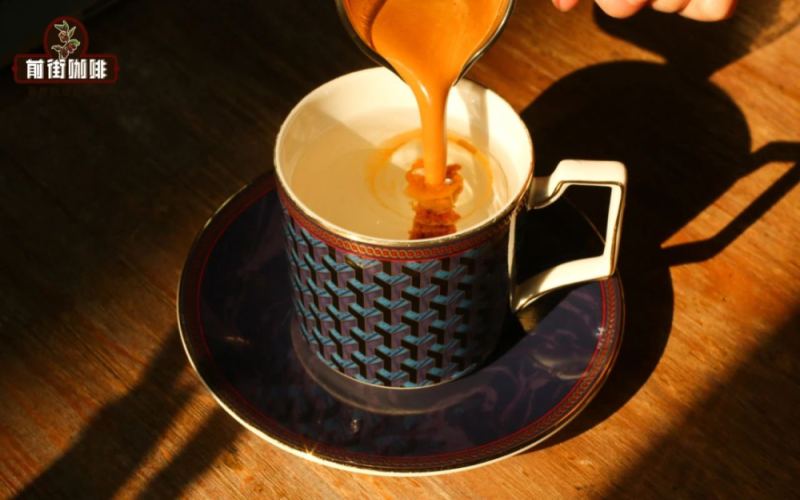
Italian Fancy Coffee Types | Introduction to the Differences and Preparation Methods of Espresso, Latte, Cappuccino, Mocha, Macchiato, Caramel Macchiato, and Dirty Coffee
For more specialty coffee knowledge, please follow: Front Street Coffee (Frontsteet Coffee). Espresso is a must-have beverage in every café. Many people's first impression of espresso is that it's just bitterly awful, but in fact Italian coffee isn't limited to such bitter espresso. If you want to drink something not bitter [more…]
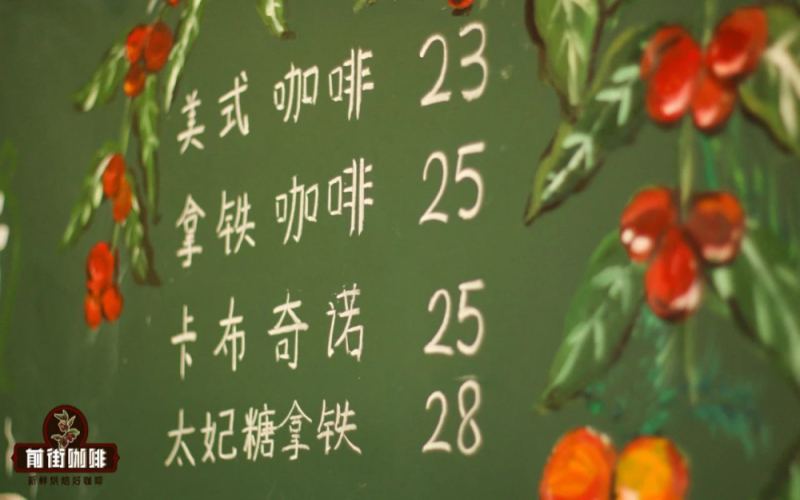
A Complete Guide to Italian Coffee: Methods and Flavor Differences of Espresso, Americano, Latte, Cappuccino, and Other Common Types
Walk into any café, and espresso is almost always a core option on the menu. When many people first encounter espresso, they often come away with nothing but the impression that it is "bitter," but in reality, the family of espresso-based drinks that has grown out of espresso as a foundation is far richer than one might imagine. From the pure, intense Espresso, to the Americano diluted with hot water, to the latte and cappuccino that blend milk and milk foam, and even the Dirty coffee that has become popular in recent years, each one has its own unique logic of ratios and layers of flavor. This article will systematically sort out the common types of espresso drinks, their preparation parameters, and their flavor characteristics, to help coffee lovers find the cup that suits their own taste. Front Street Coffee (FrontStreet Coffee) will also share the specific preparation methods for each drink for everyone's reference. [more…]

Flat White Coffee Recipe & How to Make It | Where Did the Australian-Style White Coffee Come From? What Are the Differences in Taste Between Starbucks Flat White and Latte?
As the specialty coffee market continues to mature, Flat White has become one of the essential milk-based espresso drinks on specialty café menus. Many people ask Front Street Coffee: isn't it all just milk plus coffee? What's the difference between a Flat White and a Latte? So what exactly is a Flat White? [more…]
Vietnamese Drip Coffee Brewing Tutorial: How to Use a Phin Filter, Choosing Coffee Beans, and Making Iced Coffee with Condensed Milk
Vietnamese drip coffee, with its distinctive Phin filter and pairing with condensed milk, has become one of the most recognizable ways of drinking coffee in Southeast Asian coffee culture. This article begins with the historical origins, representative brands, and flavor characteristics of Vietnamese coffee, then systematically introduces the ingredients, steps, and timing control needed to make an authentic Vietnamese iced coffee, and explains the key points for choosing coffee beans suitable for a Vietnamese Phin—medium grind, freshly ground, and avoiding too many fine particles. The article also mentions related product recommendations from Front Street Coffee, making it a useful reference for coffee lovers who want to recreate the flavors of Vietnamese street coffee at home or in the office. [more…]
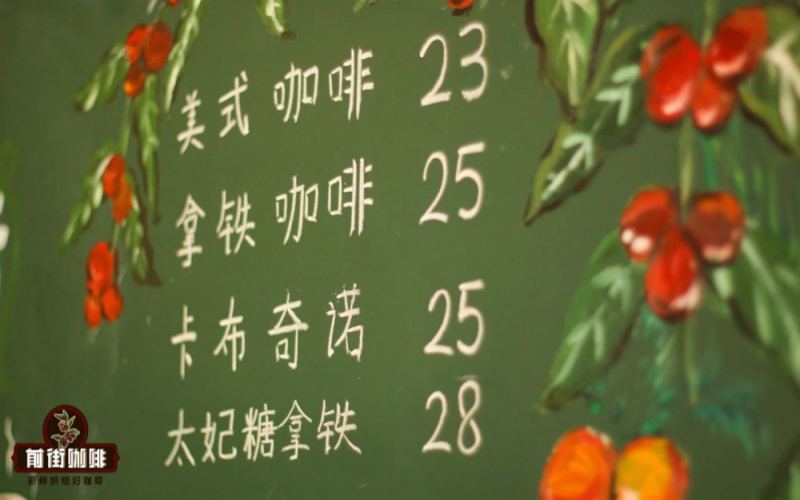
How to Pair Milk with Espresso Beans for a Delicious Latte? From Historical Origins to Front Street Coffee's Brand Bean Selection Guide
The combination of coffee and milk has a history of more than three hundred years. From the 17th century, when aristocrats added milk to improve the astringency of tea, to the 20th century, when espresso machines gave rise to cappuccino and latte, milk coffee culture has continued to evolve. Today there are many varieties such as latte and flat white, but the key to a delicious milk coffee lies in the pairing of milk and espresso beans. This article sorts out the historical thread of adding milk to coffee, explains Front Street Coffee's latte recipe in detail, and recommends a variety of espresso beans specially suited for milk coffee: from the rich nutty and chocolate notes of the classic blend, to the fruity and floral sweetness of Strawberry Candy and Xizhua SOE, and then to the caramel and vanilla flavor of Sunflower Warm Sun. At the same time, it discusses the logic of selecting full-fat fresh milk, helping enthusiasts understand how the taste of milk and the taste of coffee can be balanced. [more…]
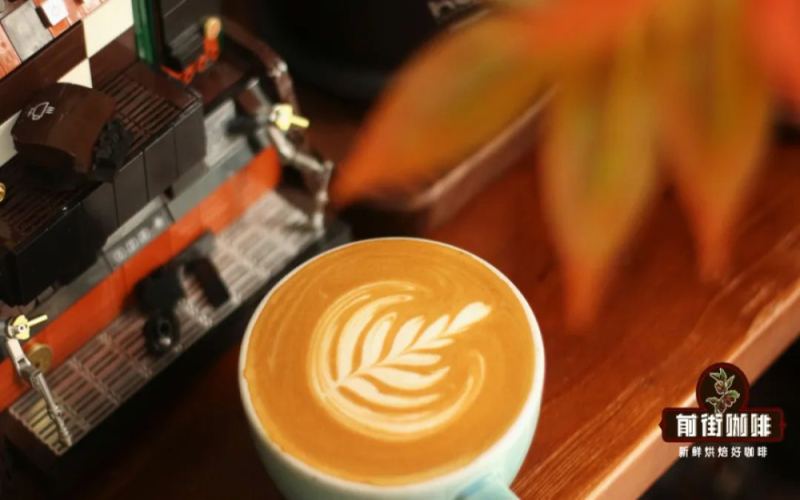
How many milliliters should a hot latte contain? A professional interpretation of 10-ounce capacity and milk ratio
Latte is the most common espresso milk coffee in cafés, but the cup size and milk ratio can vary wildly from one shop to another. Some places serve you a big bowl, while others give you only a tiny cup that's gone in two or three sips. Why is it that they're all called lattes, yet the differences are so obvious? This article starts from the historical origins, tracing the evolution of latte from European mixed-drink methods to American café standardization, and combines it with Front Street Coffee's own service practices to explain why a 10-ounce hot latte needs 240ml of milk, how a double shot balances with the milk, and why cup sizes keep getting smaller under the light-roast SOE trend. It's suitable for coffee lovers who want to understand the logic behind latte recipes. [more…]

A Comprehensive Review of Knockoff Coffee and Milk Tea Brands: Those Hilarious Copycat Store Parodies
In today's booming beverage industry, brand imitation is an endless phenomenon. From milk tea to coffee, from store decor to brand naming, some merchants use highly similar visual designs to make it hard to tell real from fake. This article reviews cases of knockoff beverage stores that have sparked heated discussion online, covering imitation versions of well-known brands such as Heytea, Naixue, Yihotang, Starbucks, and Luckin, showcasing the "creative brainpower" of copycat merchants while also reminding consumers to pay more attention in their daily consumption. As coffee lovers, understanding these phenomena is not only interesting but also helps us more rationally distinguish authentic brands from fakes and support the development of original brands. [more…]